All Categories
Featured
Comparing Financial Obligation Relief Options for Your St...
Securing Your Family Home from 2026 Foreclosure Actions

Guaranteeing Your Financial Obligation Relief Company is ...

Can Local Taxpayers Claim Financial Obligation Forgiveness Exclusions?
Table of Contents
Tax Responsibilities for Canceled Financial Obligation in Minneapolis Minnesota Debt Relief Without Filing Bankruptcy
Settling a financial obligation for less than the full balance frequently feels like a significant financial win for homeowners of Minneapolis Minnesota Debt Relief Without Filing Bankruptcy. When a financial institution accepts accept $3,000 on a $7,000 charge card balance, the instant relief of shedding $4,000 in liability is palpable. In 2026, the internal revenue service deals with that forgiven quantity as a type of "phantom earnings." Due to the fact that the debtor no longer has to pay that cash back, the federal government views it as an economic gain, just like a year-end benefit or a side-gig paycheck.
Financial institutions that forgive $600 or more of a financial obligation principal are usually required to file Kind 1099-C, Cancellation of Debt. This file reports the discharged total up to both the taxpayer and the internal revenue service. For many households in the surrounding region, receiving this form in early 2027 for settlements reached during 2026 can result in an unforeseen tax costs. Depending on a person's tax bracket, a big settlement could press them into a greater tier, potentially erasing a substantial part of the cost savings acquired through the settlement process itself.
Documents stays the finest defense versus overpayment. Keeping records of the original financial obligation, the settlement contract, and the date the financial obligation was formally canceled is needed for precise filing. Many locals discover themselves looking for Non-Bankruptcy Solutions when facing unforeseen tax bills from canceled credit card balances. These resources help clarify how to report these figures without activating unnecessary charges or interest from federal or state authorities.
Browsing Insolvency and Tax Exceptions in the United States
Not every settled debt outcomes in a tax liability. The most typical exception used by taxpayers in Minneapolis Minnesota Debt Relief Without Filing Bankruptcy is the insolvency exemption. Under IRS guidelines, a debtor is thought about insolvent if their total liabilities surpass the fair market price of their overall possessions immediately before the debt was canceled. Possessions include whatever from retirement accounts and lorries to clothes and furnishings. Liabilities include all debts, including home mortgages, student loans, and the credit card balances being settled.
To declare this exemption, taxpayers need to file Form 982, Decrease of Tax Associates Due to Discharge of Indebtedness. This form requires a comprehensive estimation of one's financial standing at the minute of the settlement. If a person had $50,000 in financial obligation and just $30,000 in possessions, they were insolvent by $20,000. If a lender forgave $10,000 of financial obligation throughout that time, the whole amount may be excluded from taxable earnings. Seeking Effective Non-Bankruptcy Solutions helps clarify whether a settlement is the ideal monetary relocation when stabilizing these complex insolvency guidelines.
Other exceptions exist for financial obligations discharged in a Title 11 bankruptcy case or for specific kinds of qualified principal house insolvency. In 2026, these rules remain strict, needing accurate timing and reporting. Failing to file Form 982 when eligible for the insolvency exemption is a regular error that causes individuals paying taxes they do not lawfully owe. Tax experts in various jurisdictions highlight that the concern of proof for insolvency lies entirely with the taxpayer.
Laws on Lender Communications and Customer Rights
While the tax ramifications happen after the settlement, the process leading up to it is governed by strict guidelines relating to how financial institutions and collection companies interact with customers. In 2026, the Fair Financial Obligation Collection Practices Act (FDCPA) and subsequent updates from the Consumer Financial Protection Bureau provide clear boundaries. Financial obligation collectors are restricted from utilizing deceptive, unfair, or violent practices to collect a debt. This consists of limitations on the frequency of phone calls and the times of day they can get in touch with a person in Minneapolis Minnesota Debt Relief Without Filing Bankruptcy.
Consumers can request that a financial institution stop all interactions or limit them to specific channels, such as written mail. Once a consumer alerts a collector in writing that they refuse to pay a debt or desire the collector to cease additional communication, the collector must stop, other than to recommend the customer of specific legal actions being taken. Understanding these rights is an essential part of managing financial tension. Individuals requiring Debt Relief in Minneapolis Minnesota often find that financial obligation management programs use a more tax-efficient course than standard settlement because they concentrate on payment instead of forgiveness.
In 2026, digital interaction is likewise heavily controlled. Financial obligation collectors must supply a simple method for customers to opt-out of e-mails or text messages. In addition, they can not publish about an individual's financial obligation on social networks platforms where it may be visible to the public or the customer's contacts. These defenses guarantee that while a debt is being worked out or settled, the customer preserves a level of personal privacy and security from harassment.
Alternatives to Financial Obligation Settlement and Their Monetary Effect
Because of the 1099-C tax effects, lots of financial advisors suggest looking at alternatives that do not include financial obligation forgiveness. Financial obligation management programs (DMPs) provided by not-for-profit credit counseling agencies serve as a happy medium. In a DMP, the company works with creditors to combine numerous regular monthly payments into one and, more importantly, to lower rate of interest. Because the full principal is eventually repaid, no financial obligation is "canceled," and for that reason no tax liability is activated.
This technique often maintains credit rating much better than settlement. A settlement is usually reported as "opted for less than full balance," which can adversely impact credit for several years. On the other hand, a DMP shows a constant payment history. For a local of any region, this can be the difference in between qualifying for a home mortgage in two years versus waiting five or more. These programs likewise supply a structured environment for monetary literacy, assisting individuals build a spending plan that represents both current living expenses and future savings.
Nonprofit companies likewise offer pre-bankruptcy counseling and real estate counseling. These services are especially useful for those in Minneapolis Minnesota Debt Relief Without Filing Bankruptcy who are dealing with both unsecured charge card financial obligation and mortgage payments. By addressing the household budget as a whole, these companies assist individuals avoid the "quick fix" of settlement that typically leads to long-lasting tax headaches.
Preparation for the 2026 Tax Season
If a financial obligation was settled in 2026, the primary goal is preparation. Taxpayers need to begin by estimating the possible tax hit. If $10,000 was forgiven and the taxpayer remains in the 22% bracket, they need to reserve roughly $2,200 to cover the potential federal tax increase. This prevents the settlement of one financial obligation from creating a new financial obligation to the internal revenue service, which is much more difficult to negotiate and carries more extreme collection powers, including wage garnishment and tax liens.
Dealing with a 501(c)(3) not-for-profit credit therapy company provides access to licensed counselors who understand these subtleties. These companies do not just manage the documentation; they provide a roadmap for financial recovery. Whether it is through an official debt management strategy or simply getting a clearer photo of assets and liabilities for an insolvency claim, professional assistance is vital. The goal is to move beyond the cycle of high-interest financial obligation without developing a secondary monetary crisis throughout tax season in Minneapolis Minnesota Debt Relief Without Filing Bankruptcy.
Eventually, monetary health in 2026 requires a proactive position. Debtors need to know their rights under the FDCPA, understand the tax code's treatment of canceled debt, and recognize when a not-for-profit intervention is more useful than a for-profit settlement business. By utilizing readily available legal defenses and accurate reporting approaches, homeowners can successfully browse the complexities of financial obligation relief and emerge with a more stable financial future.

Table of Contents
Latest Posts
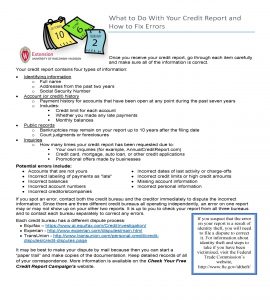
Decoding Your Financial Track Record in Your Area
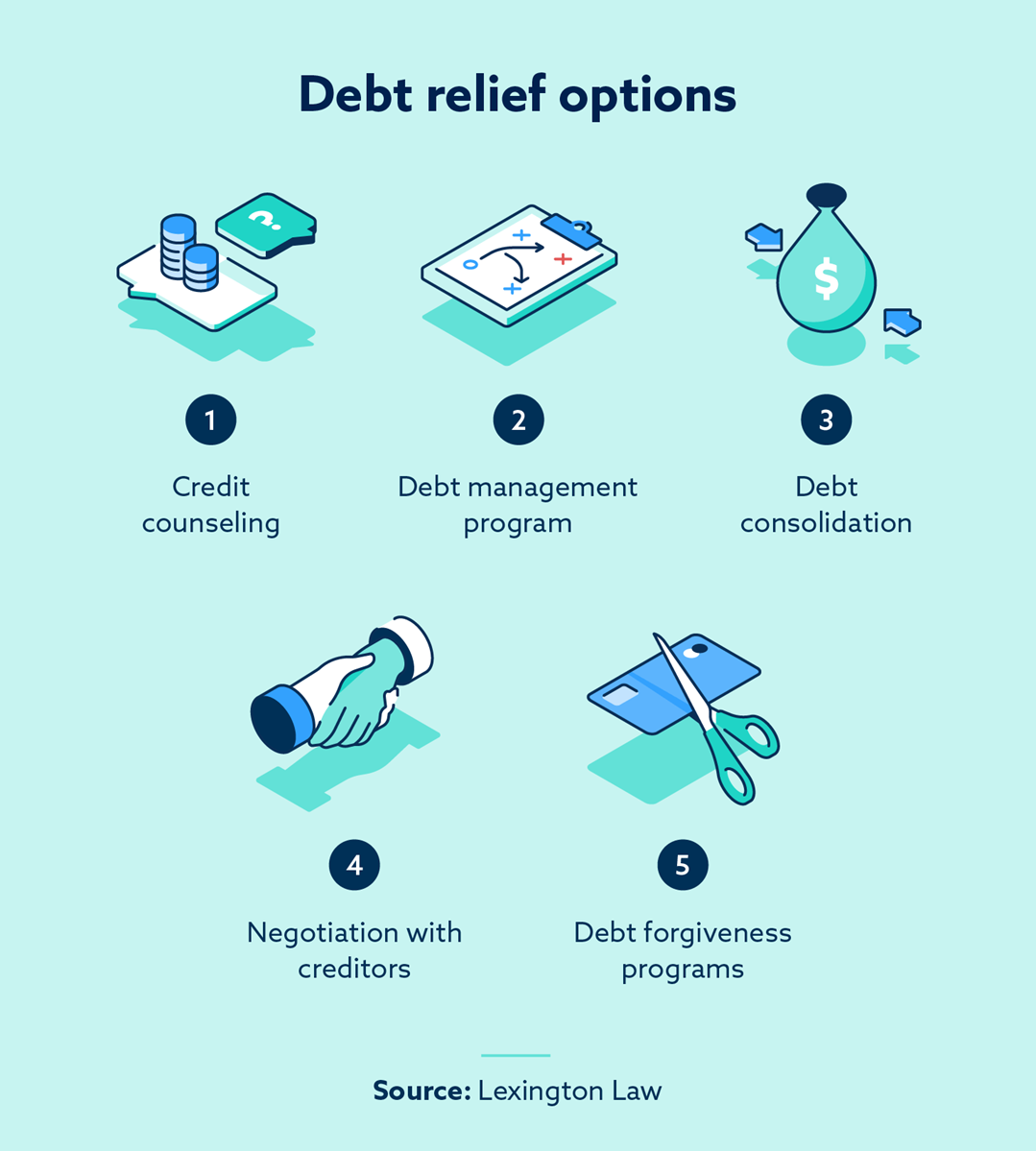
Comparing Financial Obligation Relief Options for Your State Citizens
Securing Your Family Home from 2026 Foreclosure Actions
More
Latest Posts
Decoding Your Financial Track Record in Your Area
Comparing Financial Obligation Relief Options for Your State Citizens
Securing Your Family Home from 2026 Foreclosure Actions