All Categories
Featured
Comparing Financial Obligation Relief Options for Your St...
Securing Your Family Home from 2026 Foreclosure Actions

Guaranteeing Your Financial Obligation Relief Company is ...

How to Lodge a Grievance Versus a Local Company
Table of Contents
Browsing Lender Rights in the local community during 2026
The financial environment in 2026 presents a specific set of obstacles for individuals transitioning out of heavy debt. After finishing a debt relief program or a structured repayment strategy, the focus shifts from survival to stabilization. Comprehending legal rights concerning lender interactions stays a priority throughout this phase. Federal laws, consisting of the Fair Financial obligation Collection Practices Act (FDCPA), continue to dictate how financial institutions and third-party collectors connect with consumers, even after a financial obligation is settled or released. In 2026, these policies have actually been clarified to include modern-day digital communication techniques, ensuring that people in the surrounding area are safeguarded from persistent or misleading contact via text messages and social networks platforms.
Legal relief often starts with a clear understanding of the "stop and desist" rights available to every customer. If a financial obligation has been handled through an official program, lenders are generally required to stop direct collection efforts and resolve the designated representative or company. Individuals seeking info on Debt Relief typically find clearness through non-profit resources that explain these limits. In 2026, the Customer Financial Defense Bureau (CFPB) has increased its oversight of automated collection systems, which suggests any interaction that breaches timing or frequency guidelines can be met significant legal penalties for the offending company.
The Role of Non-Profit Credit Counseling in the current region
Restoring after debt relief is hardly ever a solo effort. Numerous homeowners in the local market turn to Department of Justice-approved 501(c)(3) non-profit credit therapy companies. These organizations supply a buffer between the customer and the aggressive nature of the financial industry. By providing free credit therapy and debt management programs, these companies help combine numerous high-interest responsibilities into a single regular monthly payment. This procedure frequently includes direct negotiation with financial institutions to minimize interest rates, which offers the breathing space essential for long-term healing. Strategic Bankruptcy Alternative Plans supplies vital structure for those transitioning out of high-interest responsibilities, allowing them to focus on wealth-building rather than interest-servicing.
Since these companies operate across the country, including all 50 states and the United States, they offer a standardized level of care. This consistency is particularly crucial when dealing with pre-bankruptcy therapy and pre-discharge debtor education. In 2026, these educational requirements function as a check against repeat cycles of financial obligation. They use a deep dive into budgeting, the cost of credit, and the psychological elements that lead to overspending. For somebody living in a major metropolitan area, these sessions are frequently readily available through regional collaborations with monetary organizations and community groups, ensuring the guidance is appropriate to the local expense of living.
Re-establishing Financial Stability and Housing Security in 2026
A significant issue for those who have actually finished financial obligation relief is the ability to secure housing. Whether renting a brand-new apartment or condo or getting a home loan, a history of debt relief can produce hurdles. HUD-approved real estate therapy has ended up being a foundation of the rebuilding procedure in 2026. These therapists assist individuals in the region with comprehending their rights under the Fair Real estate Act and assist them prepare for the strenuous analysis of modern loan providers. Considering that numerous debt management programs consolidate payments, the consistent history of those payments can in some cases be used as a favorable sign of financial responsibility during a housing application.
Local residents often try to find Bankruptcy Alternatives in Phoenix when managing post-bankruptcy requirements. The combination of real estate counseling with basic credit education produces a more stable structure. By 2026, lots of non-profit agencies have actually broadened their networks to consist of independent affiliates that focus on varied neighborhood needs. This makes sure that language barriers or particular regional financial shifts do not prevent somebody from accessing the assistance they require. These affiliates work to guarantee that financial literacy is not simply a one-time lesson but a continuous part of a person's life after debt.
Understanding Lender Interaction Limits and Legal Option
In the 2026 regulative environment, the definition of harassment has expanded. Financial institutions can no longer declare lack of knowledge when automated systems call a consumer several times a day. If a customer in the local area has actually formally requested that a financial institution stop contact, or if they are registered in a debt management program where the company handles interactions, any further direct contact may be an offense of federal law. It is very important to keep in-depth logs of every interaction, including the time, the name of the representative, and the material of the conversation. These records are the primary evidence used if legal action becomes essential to stop harassment.
Additionally, the 2026 updates to the Fair Credit Reporting Act (FCRA) have streamlined the process of disputing mistakes on a credit report. After debt relief, it prevails for a report to include out-of-date or inaccurate information regarding settled accounts. Consumers deserve to challenge these entries and anticipate a prompt reaction from credit bureaus. Non-profit firms typically provide the tools and design templates required to manage these disputes, guaranteeing that the credit report precisely reflects the consumer's current standing instead of their previous battles. This precision is essential to getting approved for much better rates of interest on future loans or credit limit.
Building a Sustainable Future Beyond Financial Obligation
Life after debt relief is defined by the habits formed during the healing process. In 2026, the accessibility of co-branded partner programs between non-profits and regional banks has actually made it much easier for individuals to find "second possibility" monetary products. These products are developed to help people in your state rebuild their scores without falling back into high-interest traps. Financial literacy education stays the most efficient tool for preventing a go back to debt. By understanding the mechanics of interest, the significance of an emergency situation fund, and the legal defenses readily available to them, customers can browse the 2026 economy with self-confidence.
The concentrate on community-based support guarantees that help is readily available no matter an individual's specific area in the broader area. By partnering with regional nonprofits and community groups, nationwide firms extend their reach into communities that may otherwise be ignored by standard monetary organizations. This network of support is what makes the 2026 financial obligation relief system more efficient than those of previous years. It acknowledges that debt is typically a result of systemic issues or unpredicted life events, and it supplies a clear, legally protected path back to financial health. With the right information and the support of a DOJ-approved agency, the shift to a debt-free life is a workable and sustainable objective.

Table of Contents
Latest Posts
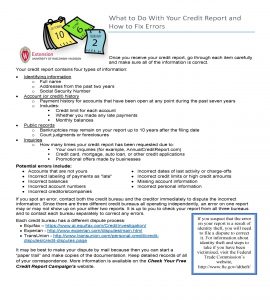
Decoding Your Financial Track Record in Your Area
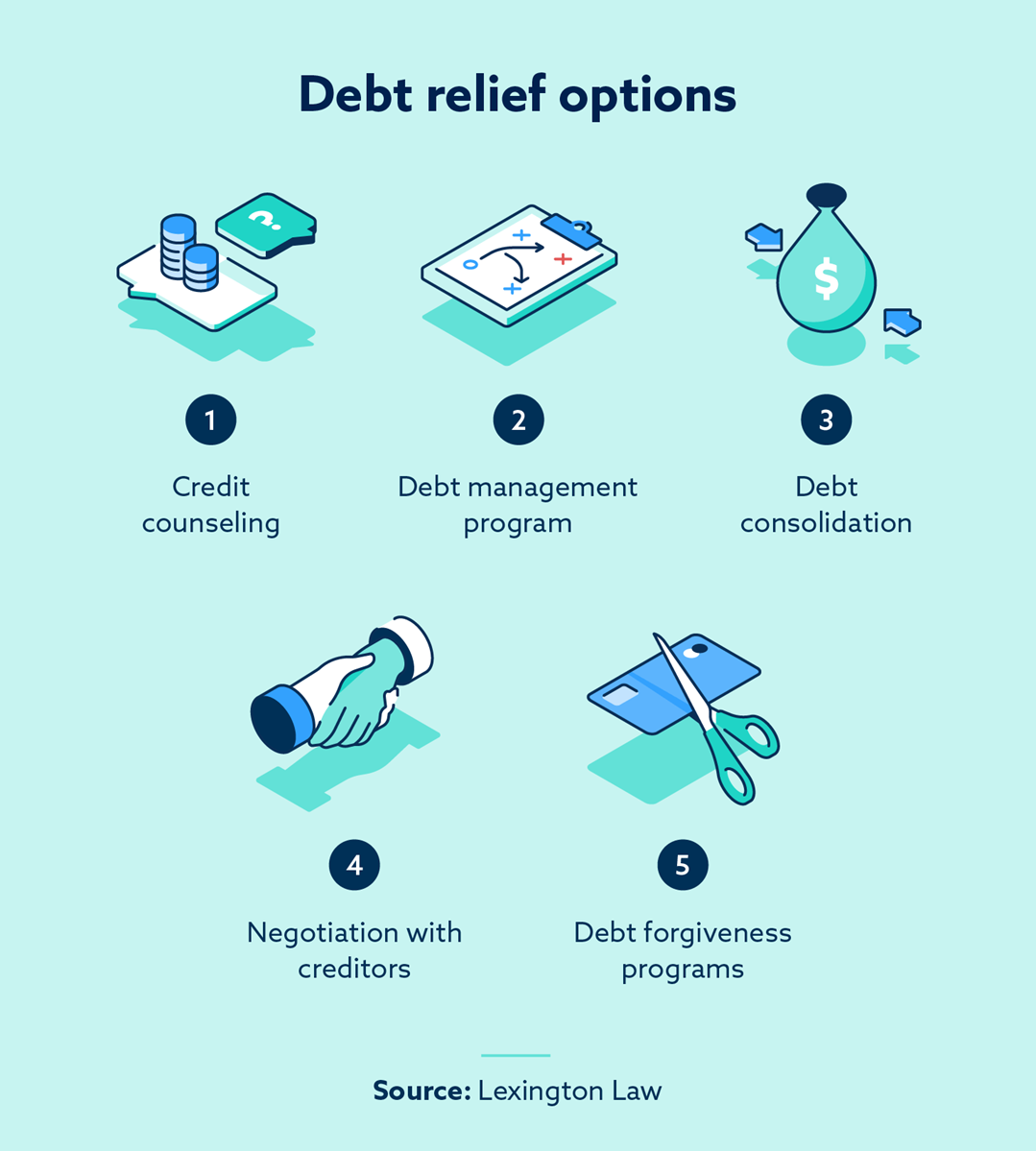
Comparing Financial Obligation Relief Options for Your State Citizens
Securing Your Family Home from 2026 Foreclosure Actions
More
Latest Posts
Decoding Your Financial Track Record in Your Area
Comparing Financial Obligation Relief Options for Your State Citizens
Securing Your Family Home from 2026 Foreclosure Actions